
Why we started with small groups instead of open classes
Pottery is a slow craft to explain and a fast one to get wrong. A wall collapses in seconds if the clay is off-center, and a glaze choice only shows itself after firing. Trying to teach that over video to fifty people at once felt like it would strip out the part that actually matters: someone watching your hands and saying something before the mistake sets in.
So the studio was built around a different constraint. Sessions stay small enough that an instructor can see every participant's wheel or worktable at once, ask a specific question, and wait for the answer. That single decision shapes almost everything else about how classes are scheduled and priced.

The clay kit exists to remove a single obstacle: logistics
Timing over convenience
Kits are timed to arrive a few days before class, not the morning of, so there's room for a kit to run late without derailing the session.
Matched to the format
A hand-building kit and a wheel-throwing kit share almost nothing. Tools, clay quantity, and instructions are written per class type.
Built around real feedback
Instructors keep notes across a series, so a comment in week two often references something specific from week one.
Firing handled centrally
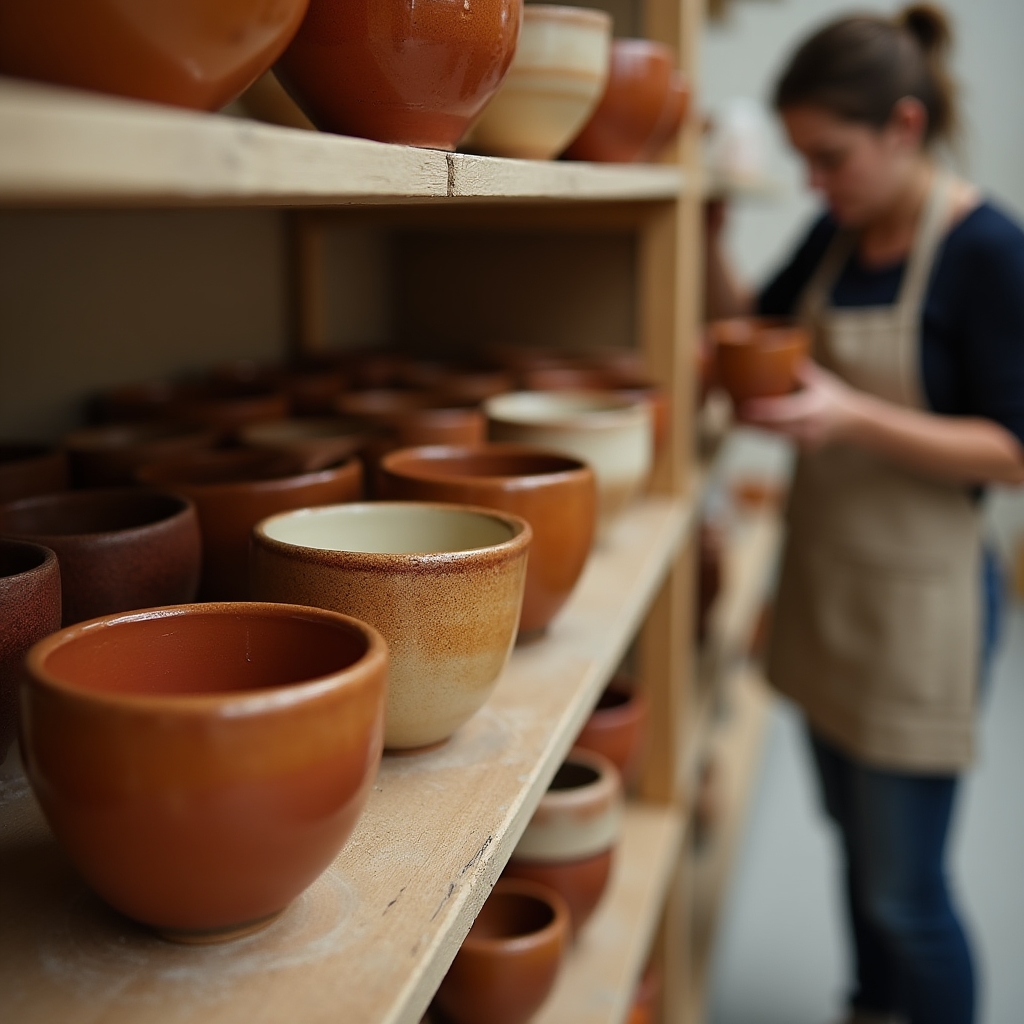
Because kilns are expensive and finicky, firing and glazing stay at the studio, with pieces mailed back once finished.
What happens after your piece leaves your hands
Once a piece is dry enough to handle, it goes back to the studio in a prepaid box. From there it gets a bisque firing, a glaze coat chosen from the options included with your class, and a final firing. The whole return process typically takes a few weeks, mostly because kilns are loaded in batches rather than run for a single mug.
It is not instant, and we say that plainly rather than let people assume otherwise. Slow finishing is part of working with clay, whether you are in a shared studio or shipping pieces across the country.
Working potters, not full-time presenters
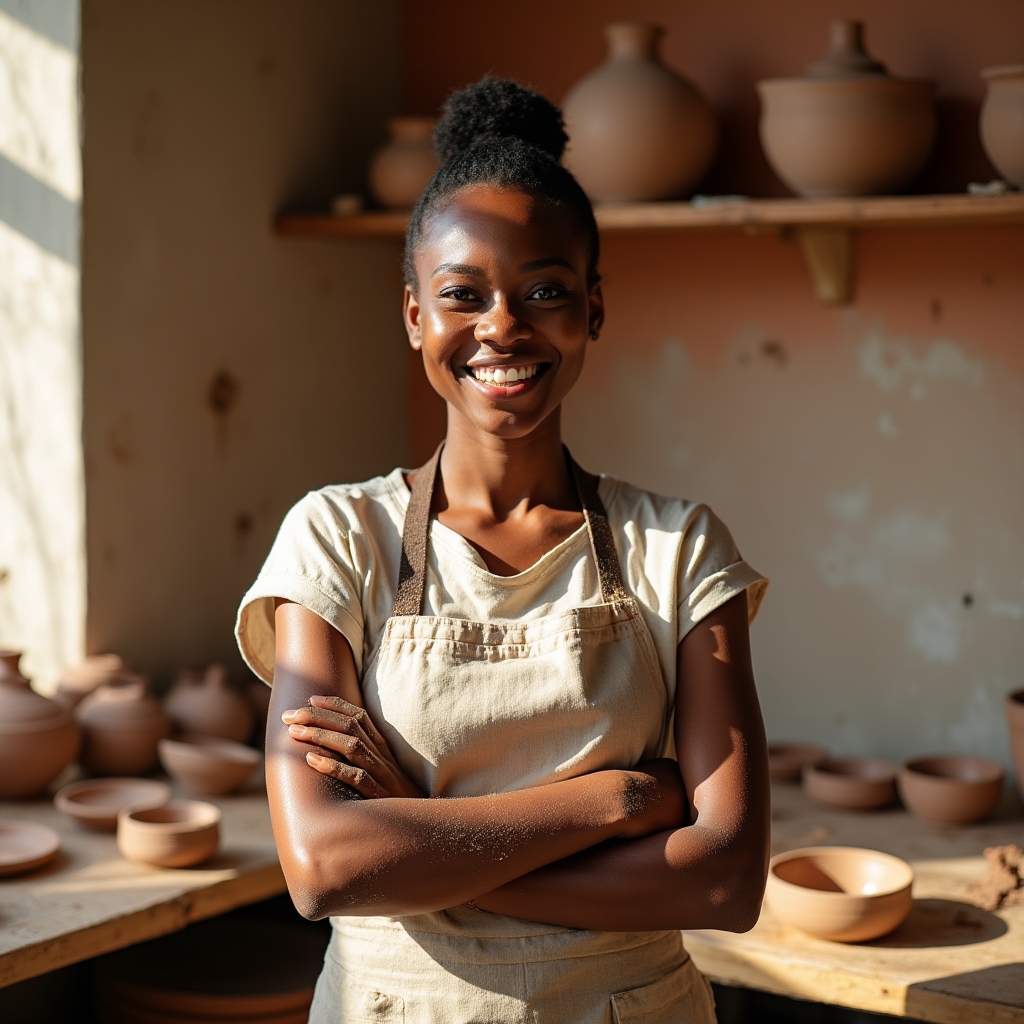
Instructors here keep their own studio practice going alongside teaching. Some sell functional ware, some focus on sculptural pieces, and that mix shows up in how sessions get structured week to week. A class built by someone still solving glaze problems in their own kiln tends to sound different than one built purely as curriculum.
Group sizes stay small partly so this kind of back-and-forth is still possible on a screen. It is slower than a pre-recorded course. That tradeoff is intentional.