
Packed specifically for the class you booked
There is no single "starter kit" here. What ships depends on whether you signed up for wheel work or hand-building, how many pieces the session plans for, and how far along in a series you are. A week-one kit for Wheel Fundamentals looks different from a week-three kit, since trimming needs different tools than initial centering.
Kits are boxed a few days before the scheduled session and shipped to arrive with a small buffer, so a delayed delivery doesn't mean missing class entirely.
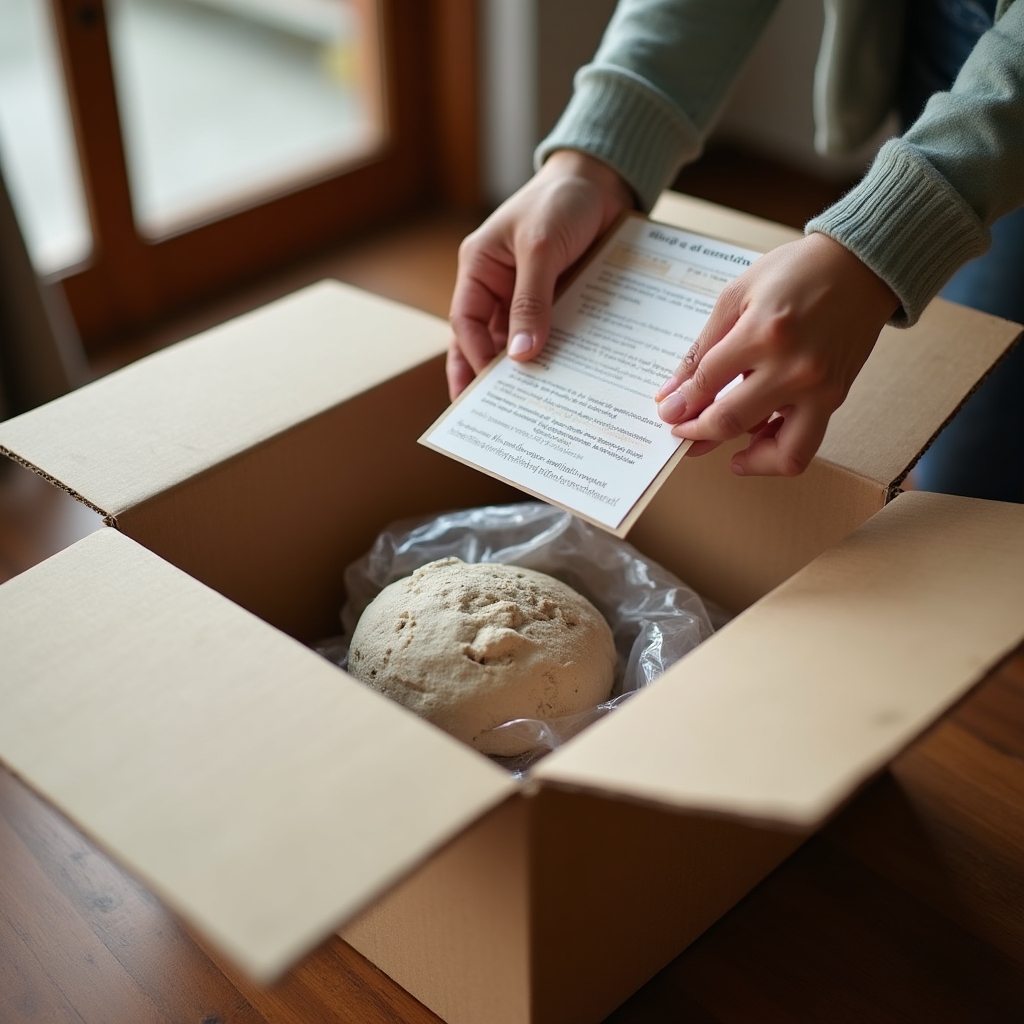
The core items included across most kits
Pre-measured clay
Weighed for the number of pieces planned that session, wrapped to stay workable until class starts.
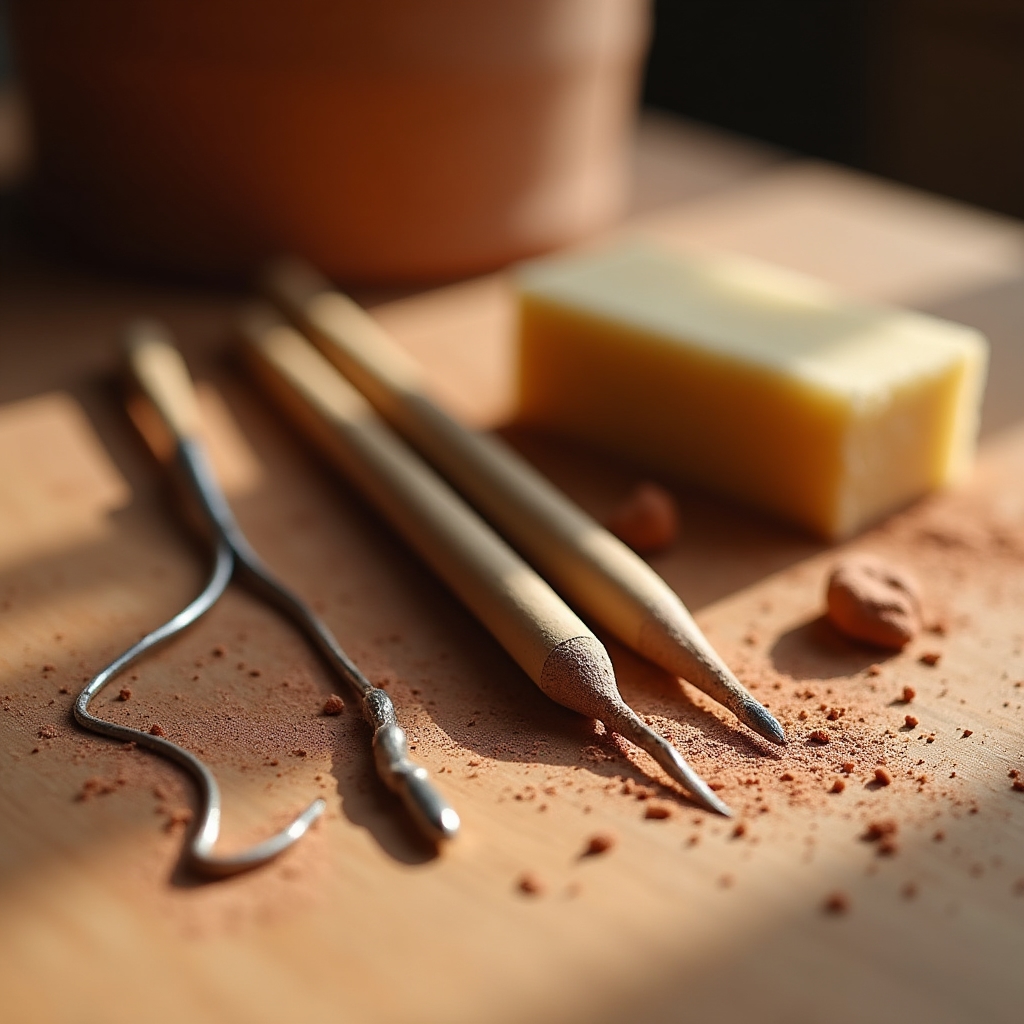
Core shaping tools
Wooden ribs, a wire clay cutter, a needle tool, and a sponge, matched to the techniques being taught.
Wheel or banding wheel
Wheel-throwing kits include a compact electric worktop wheel. Hand-building kits include a simple banding wheel instead.
Apron and surface cover
A washable apron and a plastic work mat, since clay tends to travel further than expected on a first attempt.
Prepaid return packaging
A pre-labeled box and padding for sending your dried piece back for firing once it's ready.
Printed setup guide
A short card covering workspace setup, so class time isn't spent figuring out where to put the wheel.
Small tools, chosen for a home worktable rather than a studio bench
Some standard studio tools assume a fixed workstation with running water and a plaster bat nearby. Home kits swap those out for versions that work on a normal kitchen table, with cleanup handled through a bucket of water rather than a sink trap built for clay.
None of the substitutions change what's being taught. They just account for the fact that most kitchens don't have a slop sink.
What happens once your piece is dry
Drying takes anywhere from a few days to two weeks depending on thickness and your home's humidity. Once the piece is bone dry and no longer cool to the touch, it goes back in the return box for firing and glazing at the studio.